

Why ERP Projects Fail in Bangladesh: Key Challenges and Practical Insights
Why Do ERP Projects Fail in Bangladesh?
Insights from Practical Implementation Experience
Enterprise Resource Planning (ERP) systems are widely recognized as a cornerstone of digital transformation. They promise streamlined operations, improved data visibility, and better decision-making. However, in Bangladesh, a significant number of ERP projects fail to meet expectations—resulting in wasted investment, operational disruption, and user dissatisfaction.
Understanding the root causes behind these failures is essential for organizations aiming to successfully adopt ERP solutions.
Common Reasons Behind ERP Failure
1. Misalignment with Business Processes
Many organizations attempt to implement ERP systems without fully analyzing their existing workflows. As a result, the system does not align with real business needs, leading to inefficiencies rather than improvements.
2. Lack of Change Management
ERP implementation requires a shift in organizational culture. Employees often resist new systems due to fear of change or lack of understanding, which significantly impacts adoption rates.
3. Inadequate User Training
Even the most advanced ERP system can fail if users are not properly trained. Without sufficient knowledge, employees may avoid using the system or use it incorrectly, reducing its effectiveness.
4. Weak Project Governance
Successful ERP implementation demands strong leadership, clear accountability, and structured project management. Many failures occur due to poor planning, unclear roles, and lack of monitoring.
5. Over-Customization
Excessive customization to fit legacy processes increases system complexity, cost, and maintenance challenges. It also makes future upgrades more difficult.
The Reality: ERP is Not Just Technology
One of the biggest misconceptions is that ERP is purely an IT project. In reality, ERP is a business transformation initiative that impacts every department within an organization.
Without aligning people, processes, and technology, even the most sophisticated ERP solutions are likely to fail.
Lessons from Practical Experience
Based on hands-on implementation experience with ELPIDA ERP, several success factors consistently stand out:
✔ Strong Stakeholder Alignment
Leadership involvement ensures that the project remains aligned with business objectives.
✔ Clear Implementation Roadmap
A well-defined plan with realistic timelines and milestones reduces uncertainty and risk.
✔ Focus on User Adoption
Engaging users early and providing continuous training drives acceptance and proper usage.
✔ Continuous Monitoring and Improvement
ERP implementation does not end at deployment. Ongoing evaluation and optimization are essential for long-term success.
The Way Forward for Bangladesh
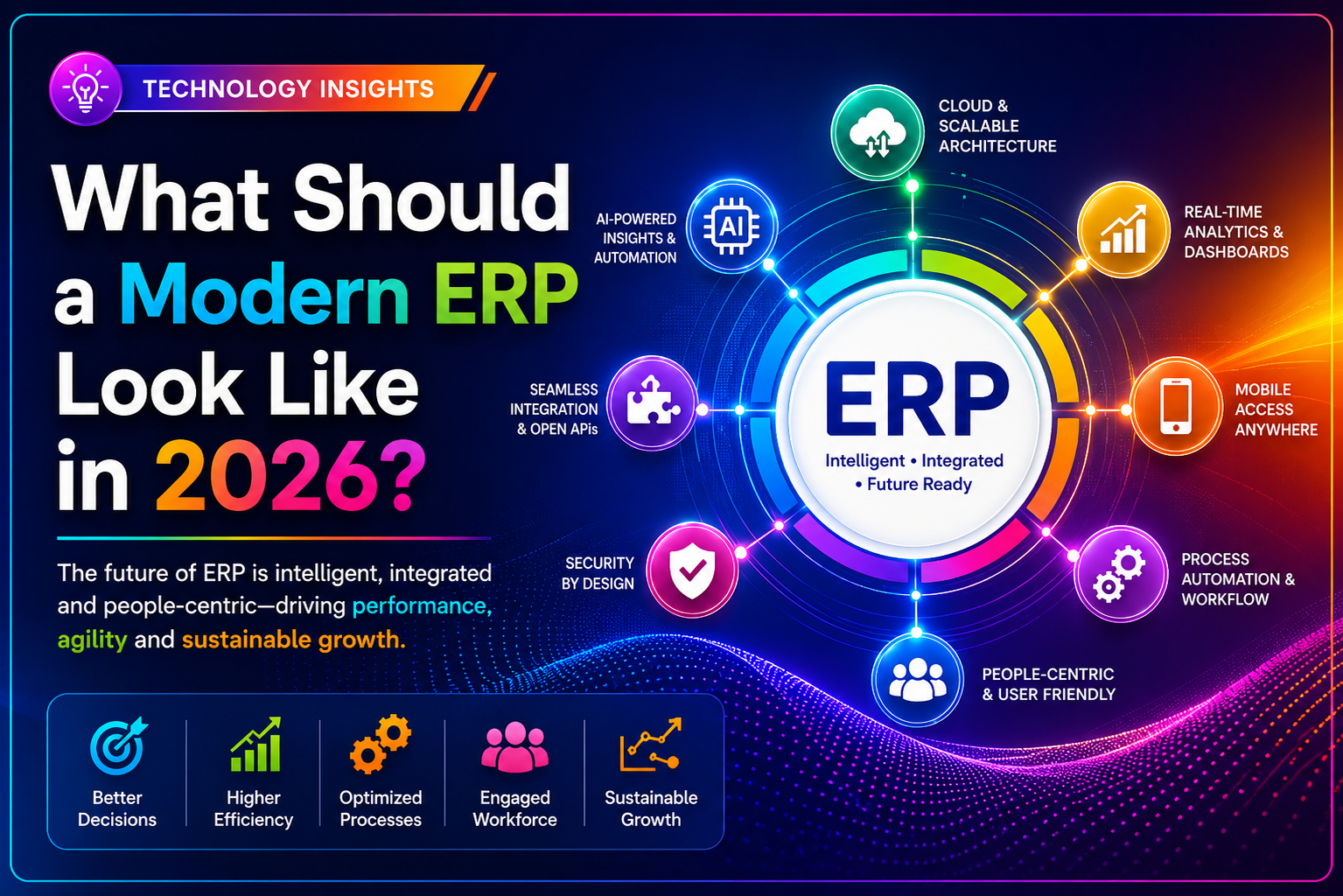
As businesses in Bangladesh continue to embrace digital transformation, ERP systems will play a critical role in enhancing competitiveness. However, success depends on adopting a strategic, disciplined, and people-centric approach.
Organizations must move beyond viewing ERP as a software installation and instead treat it as a long-term investment in operational excellence.
Conclusion
ERP project failure is not inevitable—it is preventable. By addressing common pitfalls and focusing on execution, organizations can unlock the true potential of ERP systems.
When implemented correctly, ERP delivers:
✔ Improved efficiency
✔ Better data-driven decision-making
✔ Enhanced transparency and control




0 Comments